With Government Programs for Healthcare Access at the forefront, this paragraph opens a window to an amazing start and intrigue, inviting readers to embark on a storytelling casual formal language style filled with unexpected twists and insights.
Government programs play a crucial role in ensuring access to quality healthcare for all individuals. By implementing various initiatives and funding healthcare programs, governments aim to enhance accessibility and affordability of medical services, ultimately improving public health outcomes. Let’s delve deeper into the impact of these programs and their significance in the healthcare landscape.
Government Programs for Healthcare Access
Government programs play a crucial role in improving access to healthcare by providing financial assistance, services, and resources to individuals who may not otherwise be able to afford or obtain medical care. These programs are designed to ensure that all citizens have the opportunity to receive necessary healthcare services, regardless of their financial situation or background.
Examples of Government-funded Healthcare Programs
- Medicaid: A joint federal and state program that provides health coverage to low-income individuals and families.
- Medicare: A federal health insurance program for individuals aged 65 and older, as well as certain younger people with disabilities.
- Children’s Health Insurance Program (CHIP): A program that provides health coverage to children in families that earn too much to qualify for Medicaid but cannot afford private insurance.
Impact of Government Initiatives on Enhancing Healthcare Accessibility
Government initiatives aimed at improving healthcare access have led to significant improvements in the health outcomes of populations. By providing coverage and services to those in need, these programs help reduce disparities in healthcare access and improve overall public health. Additionally, government-funded programs help lower healthcare costs for individuals and families, making essential medical services more affordable and attainable.
Comparison of Different Government Programs
- Medicaid vs. Medicare: While both programs provide healthcare coverage, Medicaid is income-based and serves low-income individuals, while Medicare is age-based and primarily serves older adults.
- CHIP vs. Medicaid: CHIP specifically targets children in families that do not qualify for Medicaid but cannot afford private insurance, filling a crucial gap in healthcare coverage for this population.
Healthcare Access
Access to healthcare is essential for maintaining and improving the overall health of the population. It ensures that individuals can receive timely medical care, preventive services, and necessary treatments to address health issues.
Importance of Healthcare Access for Better Health Outcomes
Improved healthcare access can lead to better health outcomes by enabling individuals to receive regular check-ups, screenings, and early interventions for health conditions. This proactive approach can help prevent diseases from progressing to more severe stages and improve overall quality of life.
Barriers to Healthcare Access and Government Programs
- Lack of health insurance coverage: Government programs like Medicaid and the Affordable Care Act aim to provide affordable health insurance options for low-income individuals and families.
- Geographic barriers: Programs like telehealth services and mobile clinics help overcome the challenges of accessing healthcare in remote or underserved areas.
- Financial constraints: Programs offering subsidies, sliding fee scales, and free clinics help individuals with limited financial resources access healthcare services.
Relationship Between Healthcare Access and Social Determinants of Health
Healthcare access is closely linked to social determinants of health, such as income, education, employment, and housing. Disparities in access to healthcare can exacerbate existing health inequities based on social factors, highlighting the importance of addressing these determinants to improve overall health outcomes.
Healthcare Costs
Government programs play a crucial role in reducing healthcare costs for individuals, ensuring access to necessary medical services without financial burden. By implementing cost-saving measures and providing affordable healthcare options, these programs contribute to improving overall public health.
Cost-Saving Measures
- Price Negotiation: Government programs negotiate with healthcare providers to lower the cost of services and medications, making them more affordable for patients.
- Preventive Care: Investing in preventive services helps in early detection and treatment of health conditions, reducing long-term healthcare costs.
- Generic Medications: Encouraging the use of generic drugs over brand-name medications helps in cost reduction without compromising quality.
- Telemedicine Services: Offering virtual healthcare consultations reduces the need for in-person visits, saving both time and money for patients.
Impact on Access to Medical Services
- High healthcare costs can act as a barrier to accessing medical services, especially for low-income individuals or those without insurance.
- Government programs that focus on cost reduction help in bridging the gap and ensuring healthcare access for all segments of the population.
- Affordable healthcare options lead to early intervention and treatment, preventing serious health issues that could arise from delayed medical care.
Healthcare Providers
Healthcare providers play a crucial role in delivering accessible care to patients, ensuring that individuals have the necessary medical attention to maintain their health and well-being.
Government Support for Healthcare Providers in Underserved Areas
Government programs provide essential support to healthcare providers in underserved areas by offering financial incentives, grants, and resources to encourage them to practice in these regions. This helps address the shortage of medical professionals in rural and remote areas, ultimately improving access to care for residents.
Challenges Faced by Healthcare Providers in Ensuring Equitable Access
Healthcare providers face various challenges in ensuring equitable access to care, such as limited resources, high patient volumes, and disparities in healthcare infrastructure. These obstacles can hinder their ability to provide quality services to all patients, especially those in marginalized communities.
Importance of a Diverse Healthcare Workforce
A diverse healthcare workforce is essential in improving access to care as it allows patients from different backgrounds to receive culturally competent and inclusive services. By having healthcare providers who reflect the diversity of the population, patients are more likely to feel understood, respected, and supported in their healthcare journey.
Health Insurance
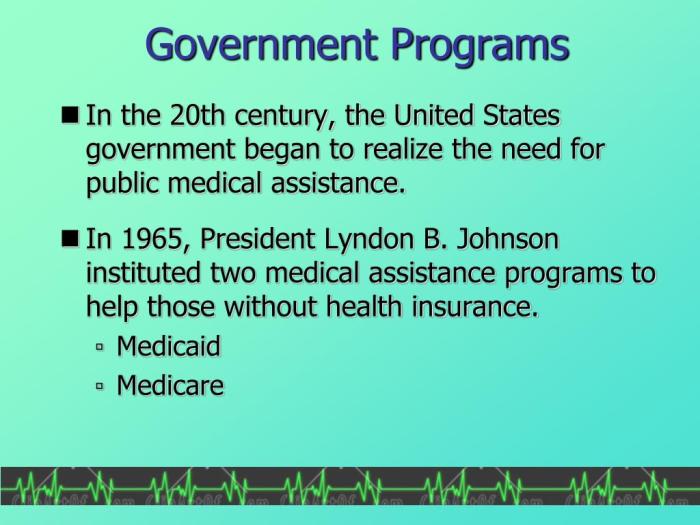
Health insurance plays a crucial role in ensuring individuals have access to necessary healthcare services without facing financial burdens. It provides coverage for medical expenses, preventive care, prescription drugs, and other essential health needs, making healthcare more affordable and accessible to a wider population.
Significance of Health Insurance
- Health insurance protects individuals from high medical costs that could potentially lead to financial hardship or bankruptcy.
- It encourages people to seek regular medical care, preventive services, and early treatment, improving overall health outcomes.
- Insurance coverage allows individuals to choose their preferred healthcare providers and facilities, ensuring personalized care.
Government Initiatives for Health Insurance Coverage
- The government implements programs like Medicaid and CHIP to provide health insurance coverage for low-income families, children, pregnant women, and individuals with disabilities.
- The Affordable Care Act (ACA) introduced subsidies and marketplaces to help individuals purchase affordable health insurance plans, expanding coverage options.
- Medicare offers health insurance for individuals aged 65 and older, as well as those with certain disabilities, ensuring access to essential healthcare services.
Impact of Uninsured Individuals
- Uninsured individuals often delay or forgo necessary medical care due to cost concerns, leading to poorer health outcomes and increased healthcare costs in the long run.
- Uncompensated care for uninsured individuals puts financial strain on healthcare providers and facilities, affecting the overall healthcare system.
- Reducing the number of uninsured individuals through health insurance coverage helps create a more sustainable and efficient healthcare system for all.
Types of Health Insurance Plans
- Medicaid: State and federally funded program providing health coverage for low-income individuals and families.
- Medicare: Federal health insurance program for individuals aged 65 and older, as well as certain younger individuals with disabilities.
- CHIP: State-administered program offering health coverage to children in low-income families who do not qualify for Medicaid.
- Marketplace Plans: Health insurance plans available through state or federal exchanges, offering different coverage levels and subsidies based on income.
Health Policies
Health policies play a crucial role in shaping healthcare access and equity by establishing guidelines and regulations that govern the delivery of healthcare services. These policies are designed to ensure that individuals have equal opportunities to access quality healthcare regardless of their socioeconomic status or background.
Examples of Impactful Health Policies
- The Affordable Care Act (ACA): This policy expanded access to health insurance coverage for millions of Americans, leading to a significant reduction in the uninsured rate.
- Medicaid Expansion: Several states have expanded Medicaid eligibility, allowing more low-income individuals to access essential healthcare services.
- Mental Health Parity and Addiction Equity Act: This policy requires insurance plans to provide equal coverage for mental health and substance use disorder services, reducing barriers to accessing mental healthcare.
Developing and Implementing Health Policies
Health policies are typically developed through a collaborative process involving policymakers, healthcare providers, advocacy groups, and other stakeholders. These policies go through rigorous evaluation, public feedback, and legislative approval before implementation. Once implemented, monitoring and evaluation mechanisms are put in place to assess the impact of the policy on healthcare access and outcomes.
Intersection of Health Policies, Government Programs, and Healthcare Outcomes
Health policies and government programs are interconnected in their efforts to improve healthcare access and outcomes. Government programs like Medicare, Medicaid, and the Children’s Health Insurance Program (CHIP) often align with specific health policies to ensure equitable access to care for vulnerable populations. By implementing evidence-based policies and programs, policymakers can address disparities in healthcare access and promote better health outcomes for all individuals.
Health Records
Maintaining accurate health records is crucial for improving healthcare access as it allows healthcare providers to have a complete view of a patient’s medical history, medications, allergies, and previous treatments. This information enables providers to make informed decisions, provide appropriate care, and avoid potential medical errors.
Importance of Accurate Health Records
Accurate health records ensure that patients receive the right treatment at the right time, reducing unnecessary tests and procedures. It also helps in preventing medication errors, improving coordination of care among healthcare providers, and enhancing overall healthcare quality.
Security and Privacy of Health Records
Government programs such as the Health Insurance Portability and Accountability Act (HIPAA) in the United States enforce strict regulations to protect the security and privacy of health records. These programs require healthcare providers to maintain confidentiality, implement safeguards to protect electronic health records, and ensure that patient information is only accessed by authorized personnel.
Role of Electronic Health Records (EHR) in Healthcare Access
Electronic health records (EHR) play a significant role in enhancing access to healthcare services by allowing for quick and secure sharing of patient information among healthcare providers. EHRs enable real-time access to medical records, streamline communication between providers, reduce paperwork, and improve the efficiency of healthcare delivery.
Benefits of Comprehensive Health Records
Access to comprehensive health records benefits patients by enabling them to actively participate in their healthcare decisions, have a better understanding of their medical conditions, and receive personalized care. For healthcare providers, comprehensive health records lead to better coordination of care, reduced duplication of services, and improved patient outcomes.
Health Screening
Regular health screenings play a crucial role in preventive care by detecting potential health issues early on, allowing for timely intervention and treatment. Government programs often prioritize access to essential health screenings to ensure that the population receives necessary preventive care.
Significance of Health Screening
- Health screenings help in early detection of diseases, such as cancer, diabetes, and hypertension, leading to better treatment outcomes.
- Early identification of health risks through screenings enables individuals to make lifestyle changes that can prevent the onset of chronic conditions.
- Health screenings can also detect asymptomatic conditions, improving overall health outcomes and quality of life.
Government Support for Health Screenings
- Government programs often provide funding and resources to make essential health screenings more accessible to underserved populations.
- Community health centers and clinics supported by government initiatives offer free or low-cost screenings to individuals who may not have access to regular healthcare services.
- Health insurance coverage mandated by government policies often includes preventive services like screenings without additional costs, encouraging individuals to prioritize their health.
Impact of Regular Health Screenings
- Regular health screenings can lead to early intervention, reducing the need for costly treatments for advanced diseases.
- By detecting health issues early, screenings help in preventing complications that can result in hospitalizations and long-term healthcare expenses.
- Improved health outcomes from regular screenings contribute to a healthier population, reducing the overall burden on the healthcare system.
Successful Health Screening Initiatives
- The Centers for Disease Control and Prevention’s Screen for Life campaign promotes colorectal cancer screening among eligible individuals, leading to increased screening rates and early detection.
- The National Breast and Cervical Cancer Early Detection Program provides low-income, uninsured, and underinsured women with access to breast and cervical cancer screenings, improving outcomes through early detection and treatment.
- State-level initiatives like California’s Every Woman Counts program offer free breast and cervical cancer screenings to eligible women, emphasizing the importance of preventive care in reducing cancer mortality rates.
In conclusion, Government Programs for Healthcare Access are vital in bridging gaps in healthcare accessibility and affordability. By addressing barriers, reducing costs, and supporting healthcare providers, these programs contribute to a healthier population. The intersection of health policies, insurance coverage, and innovative practices underscores the importance of government involvement in ensuring equitable access to healthcare for all.
Top FAQs
How do government programs impact healthcare accessibility?
Government programs play a crucial role in improving healthcare access by funding initiatives, reducing costs, and supporting healthcare providers in underserved areas.
What is the significance of health insurance in healthcare access?
Health insurance is essential in ensuring individuals have access to necessary medical services. Government initiatives often promote coverage for vulnerable populations to enhance healthcare access.
How do health records contribute to improving healthcare access?
Maintaining accurate health records is vital for enhancing healthcare access as it ensures continuity of care, assists in diagnosis, and promotes better coordination among healthcare providers.