Embark on a journey exploring Healthcare Access in Underserved Communities, delving into the challenges and solutions that shape the landscape of healthcare for marginalized populations.
This paragraph sets the stage for a comprehensive discussion on the critical topic at hand.
Healthcare Access in Underserved Communities
Access to healthcare in underserved communities refers to the ability of individuals in those areas to obtain medical services, treatments, and resources needed to maintain and improve their health. These communities often face various challenges that hinder their access to quality healthcare.
Challenges Faced by Individuals in Underserved Communities
- Lack of healthcare facilities: Underserved communities often have a shortage of healthcare facilities such as hospitals, clinics, and primary care providers, making it difficult for residents to receive timely and adequate medical care.
- Financial barriers: Many individuals in underserved communities struggle to afford healthcare services due to limited financial resources and lack of health insurance coverage.
- Transportation issues: Limited access to transportation options can prevent individuals from reaching healthcare facilities, especially in rural or remote underserved areas.
- Cultural and language barriers: Cultural differences and language barriers can create obstacles to effective communication between patients and healthcare providers, leading to misunderstandings and inadequate care.
Disparities in Healthcare Access
Disparities in healthcare access between underserved communities and others can be seen in various aspects, including:
- Higher rates of preventable diseases and chronic conditions in underserved communities due to lack of preventive care and early intervention.
- Lower vaccination rates among children in underserved areas, leading to increased risk of outbreaks and health complications.
- Limited access to mental health services and support in underserved communities, contributing to higher rates of untreated mental illnesses.
- Unequal distribution of healthcare resources, with underserved communities often receiving fewer medical facilities, healthcare professionals, and advanced treatment options.
Healthcare Costs
Healthcare costs play a significant role in underserved communities, impacting their access to essential medical services and treatments.
Disparities in Healthcare Costs
Healthcare services in underserved communities often come at a higher cost compared to more affluent areas, creating financial barriers for residents in need of medical care.
Strategies to Reduce Healthcare Costs
- Implementing preventive care programs to reduce the need for expensive treatments.
- Expanding access to affordable health insurance options for underserved populations.
- Increasing funding for community health centers to provide low-cost or free services.
- Advocating for policies that regulate drug prices and medical expenses to make healthcare more affordable for all.
Healthcare Providers
Healthcare providers play a crucial role in addressing healthcare access in underserved communities by delivering essential medical services, preventive care, and health education to those in need. They are on the front lines of providing quality healthcare to individuals who may face barriers such as lack of insurance, limited transportation, or language barriers.
Challenges Faced by Healthcare Providers
- Shortage of healthcare professionals: Underserved areas often struggle with a lack of healthcare providers, including doctors, nurses, and specialists, leading to limited access to care.
- Lack of resources: Healthcare providers in underserved communities may face challenges in obtaining necessary medical equipment, medications, and funding to support their services.
- Cultural and language barriers: Communicating effectively with patients from diverse backgrounds can be a barrier to providing quality care and building trust with the community.
- High patient volume: Healthcare providers in underserved areas may be overwhelmed by a high volume of patients, leading to longer wait times and limited time for each patient.
Successful Initiatives by Healthcare Providers
- Mobile clinics: Healthcare providers have launched mobile clinics to bring medical services directly to underserved communities, increasing access to care for residents who may have difficulty traveling to a traditional healthcare facility.
- Telehealth services: Providers have implemented telehealth services to connect with patients remotely, offering consultations, follow-up care, and monitoring of chronic conditions without the need for in-person visits.
- Community outreach programs: Healthcare providers have collaborated with local organizations and community leaders to raise awareness about available healthcare services, educate residents on preventive care, and address specific health needs within the community.
- Pro bono services: Some healthcare providers volunteer their time and expertise to offer free or discounted services to underserved populations, ensuring that cost is not a barrier to accessing necessary medical care.
Health Insurance
Health insurance plays a crucial role in improving healthcare access for underserved populations by providing financial protection and reducing barriers to essential medical services.
Importance of Health Insurance for Underserved Communities
Having health insurance allows individuals in underserved communities to access preventive care, screenings, and treatment for chronic conditions without facing significant financial burdens. It ensures that they can seek medical attention when needed, leading to better health outcomes and overall well-being.
Barriers to Obtaining Health Insurance
- Lack of awareness: Many individuals in underserved communities may not be aware of the health insurance options available to them or how to enroll in a plan.
- Cost: The affordability of health insurance premiums and out-of-pocket expenses can be a significant barrier for those with limited financial resources.
- Eligibility criteria: Some individuals may not qualify for public health insurance programs due to immigration status or other factors, leaving them uninsured.
- Language and literacy barriers: Limited English proficiency and low health literacy can make it challenging for individuals to navigate the health insurance system.
Government Programs for Increasing Health Insurance Coverage
There are several government programs aimed at increasing health insurance coverage for underserved individuals, including:
- Medicaid: A federal and state program that provides health coverage to low-income individuals and families, including children, pregnant women, and people with disabilities.
- Children’s Health Insurance Program (CHIP): Offers low-cost health coverage for children in families that do not qualify for Medicaid but cannot afford private insurance.
- Health Insurance Marketplace: Provides a platform for individuals to compare and purchase health insurance plans, often with subsidies based on income level.
- Medicare: A federal program that primarily serves individuals aged 65 and older, as well as some younger individuals with disabilities.
Health Policies
Health policies play a crucial role in determining the level of healthcare access available to underserved communities. These policies set the framework for how resources are allocated, services are provided, and disparities are addressed.
Impact of Health Policies on Healthcare Access
- Health policies can either facilitate or hinder healthcare access in underserved communities. For example, policies that prioritize funding for clinics in these areas can improve access, while policies that limit Medicaid expansion can restrict access for low-income individuals.
- Regulations on healthcare providers, such as licensing requirements and scope of practice limitations, can also impact access to care in underserved communities. By easing these regulations, policymakers can increase the availability of healthcare services.
Role of Policymakers in Addressing Healthcare Disparities
- Policymakers have the responsibility to identify and address healthcare disparities in underserved areas. They can do this by creating targeted programs, allocating resources effectively, and advocating for policies that promote equitable access to healthcare.
- Through collaboration with community organizations, healthcare providers, and other stakeholders, policymakers can develop comprehensive strategies to improve healthcare access and outcomes for underserved populations.
Comparison of Healthcare Policies for Underserved Populations
- Various healthcare policies have been implemented to enhance access for underserved populations, such as the Affordable Care Act, which expanded Medicaid coverage and established health insurance marketplaces.
- Other policies focus on increasing funding for community health centers, promoting telehealth services, and incentivizing healthcare providers to work in underserved areas through loan repayment programs.
Health Records
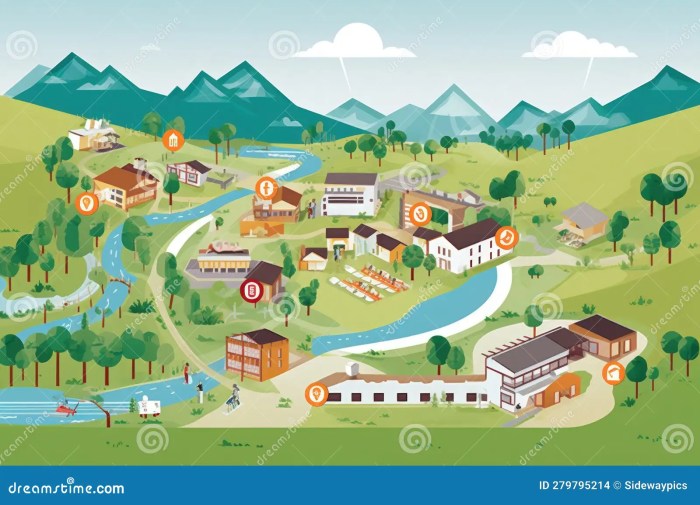
Health records play a crucial role in ensuring continuity of care for underserved individuals. These records contain vital information about a patient’s medical history, diagnoses, medications, and treatment plans. By maintaining accurate and up-to-date health records, healthcare providers can deliver more effective and personalized care to patients in underserved communities.
Significance of Health Records in Underserved Communities
In underserved communities, one of the key challenges related to health records is the lack of access to electronic health record (EHR) systems. Many healthcare facilities in these areas still rely on paper-based records, which can be easily lost or damaged. This poses a significant barrier to the continuity of care, as patients may not have their complete medical history available when seeking treatment from different providers.
Challenges in Maintaining and Accessing Health Records
The challenges in maintaining and accessing health records in underserved communities include limited resources for implementing EHR systems, inadequate staff training on record-keeping practices, and privacy concerns related to sharing sensitive information. Additionally, patients in these communities may face barriers in accessing their own health records due to lack of awareness or technological literacy.
Technology Solutions for Improved Health Record Management
To address these challenges, technology solutions such as mobile health applications, cloud-based EHR systems, and telemedicine platforms have been implemented in underserved areas. These tools enable healthcare providers to access and update patient records remotely, improving communication and coordination of care. For example, mobile apps like Medici and Doximity allow patients to securely access their health records and communicate with providers, enhancing patient engagement and empowerment.
Health Screening
Regular health screening plays a crucial role in preventive healthcare for underserved populations. By detecting potential health issues early on, individuals can receive timely interventions and treatments, ultimately improving their health outcomes and quality of life.
Barriers to Health Screening Programs
- Lack of awareness about the importance of preventive care and health screenings.
- Financial constraints that make accessing screening services difficult for underserved individuals.
- Limited availability of healthcare facilities and services in underserved communities.
- Cultural beliefs and stigmas surrounding healthcare that deter individuals from seeking screenings.
Impact of Regular Health Screening
Regular health screening can significantly reduce healthcare disparities in underserved areas by:
- Identifying health conditions at an early stage when they are more treatable and manageable.
- Empowering individuals to take control of their health and make informed decisions about their well-being.
- Improving overall community health outcomes and reducing the burden on the healthcare system.
In conclusion, Healthcare Access in Underserved Communities is a multifaceted issue that requires collaborative efforts to ensure equal and inclusive healthcare for all.
Detailed FAQs
What are some common challenges faced by individuals in underserved communities when accessing healthcare?
Individuals in underserved communities often encounter barriers such as lack of transportation, limited healthcare facilities, and financial constraints.
How do healthcare providers contribute to improving healthcare access in underserved communities?
Healthcare providers play a crucial role by offering services, implementing outreach programs, and advocating for better resources in underserved areas.
What role do health policies play in addressing healthcare disparities in underserved areas?
Health policies influence access to care, funding for healthcare programs, and the overall quality of services available to underserved populations.
Why is health insurance important for underserved populations in improving healthcare access?
Health insurance ensures individuals have financial protection and can access necessary medical services without facing significant financial burdens.
How can technology solutions improve health record management in underserved communities?
Technology solutions like electronic health records and telemedicine platforms can streamline record-keeping processes and enhance communication between healthcare providers in underserved areas.